
Dashboards and Analytics for Dispatch Management Company
About Client
The client is a well-established Third-Party Logistics (3PL) provider serving a diverse range of industries. The organization delivers comprehensive logistics solutions encompassing transportation, warehousing, and end-to-end supply chain management.
The organization is committed to operational efficiency and cost-effective service delivery, enabling its customers to optimize logistics performance and strengthen overall supply chain reliability.
Problem Statement
The 3PL company encountered several critical operational challenges impacting efficiency, cost management, and service quality:
Solution
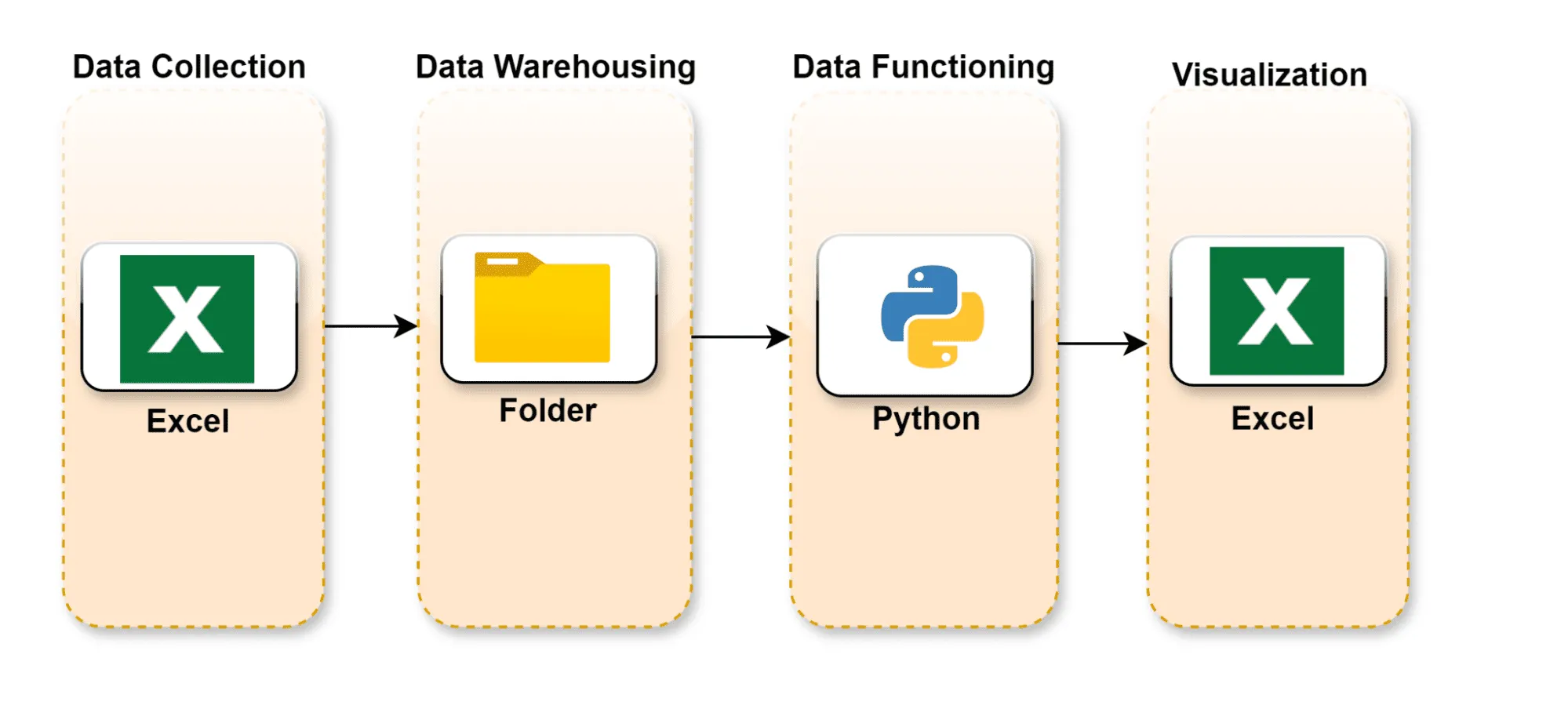
After detailed requirement sessions, our team designed and implemented a comprehensive data architecture and analytics roadmap to address the organization’s challenges around data fragmentation, reporting inefficiencies, and compliance — emphasizing automation, scalability, and HIPAA-aligned security.
Technical Architecture
Business Impact
The implementation of advanced analytics and integrated operational solutions delivered significant improvements across key performance areas:
- Efficient Route Optimization
The optimization of routing strategies resulted in a 9% reduction in fuel consumption, an 11% decrease in vehicle maintenance costs, and a measurable improvement in overall labor efficiency.
- Enhanced Inventory Efficiency
Real-time visibility into logistics KPIs eliminated stockouts and strengthened inventory control, leading to a 16% increase in operational efficiency, 14% faster order processing, and annual cost savings of approximately $1.5 million.
- Improved Customer Satisfaction
The introduction of real-time tracking capabilities contributed to a 23% increase in customer satisfaction, fostering stronger customer loyalty and improved retention rates.
- Data-Driven Operational Excellence
The unified data platform combined with predictive analytics streamlined workflows, reduced operational bottlenecks, and enabled faster responses to demand fluctuations.
- Reduction in Inventory Losses
Predictive analytics tools identified potential shrinkage risks in advance, resulting in a 25% reduction in inventory losses and improved asset protection.
- Strengthened Regulatory Compliance
The compliance management module enhanced adherence to industry standards and regulatory requirements, reducing compliance-related risks by 19%.